









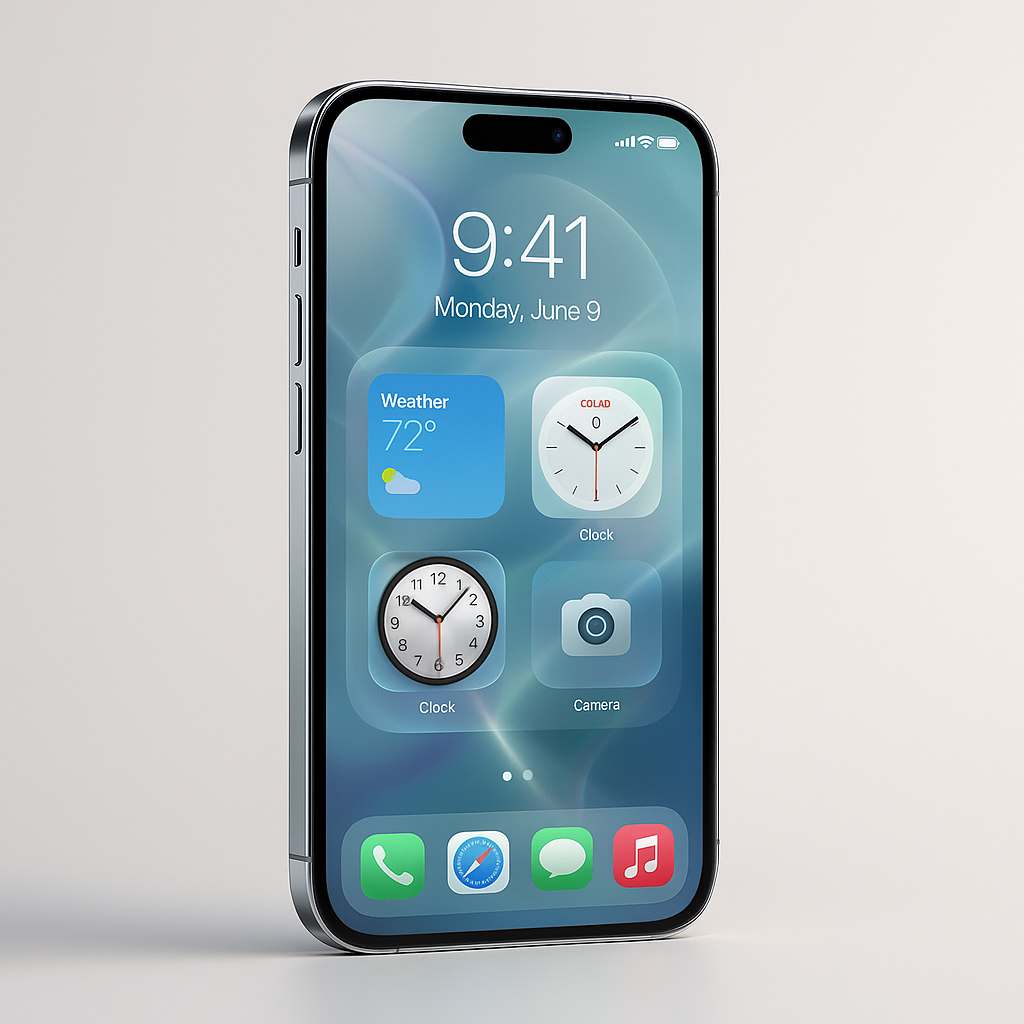
Apple has officially unveiled iOS 26, marking one of the most ambitious software updates in the company’s history. Positioned not just as a yearly iteration but as a transformative shift, iOS 26 is reshaping the user experience through a groundbreaking new design language, powerful on-device AI, enhanced app experiences, and an ecosystem-wide update strategy. This new version is being seen as the most significant iOS update since iOS 7, redefining what the iPhone is capable of.
A New Name, A New Era
In a move that aligns all its platforms under a unified naming system, Apple has transitioned from iOS 18 to iOS 26. The jump in version numbers reflects Apple’s decision to harmonize its software names across iOS, iPadOS, macOS, watchOS, visionOS, and tvOS, using the calendar year to represent the update. This ensures clearer communication for users and developers and simplifies cross-platform feature planning.
This rebranding also underscores Apple’s intent to signify a major change. iOS 26 is not just an update—it’s a foundational shift that reimagines the iPhone experience from top to bottom.
Liquid Glass: A Major Visual Overhaul
One of the most noticeable aspects of iOS 26 is its entirely redesigned visual aesthetic called “Liquid Glass.” This new design system features translucent, layered, and fluid elements that add depth and dimension to every interaction on the iPhone. Inspired by the look of frosted glass and liquid surfaces, the interface uses transparency, light refraction, and dynamic blur effects to make the UI feel alive and immersive.
Menus, notifications, app backgrounds, lock screens, and even icons now appear to float in space, subtly interacting with the content beneath them. The updated interface creates a more natural and tactile experience, helping users stay grounded while navigating complex tasks. Buttons and controls are rounder, animations are smoother, and transitions feel seamless.
Liquid Glass is not just a visual change—it fundamentally alters how users interact with their device. Apple has rolled this aesthetic out across all its platforms, making it the new visual identity for the Apple ecosystem.
Apple Intelligence: On-Device AI That Changes Everything
iOS 26 introduces “Apple Intelligence,” a system-wide suite of AI-powered tools that function primarily on-device. This ensures enhanced user privacy while offering smarter, faster, and more responsive features.
One of the standout AI capabilities is real-time translation in voice and text. Users can now engage in phone calls and FaceTime conversations with automatic translation, making communication between languages smoother than ever. The Messages app supports AI-powered features like smart reply suggestions, mood-based styling, and even AI-generated emojis called “Genmoji,” allowing for expressive new ways to communicate.
Apple Intelligence also integrates into the Photos app, enabling advanced image recognition, object removal, and background editing—all processed locally on the device. In the Notes app, AI can summarize content, generate to-do lists, and suggest reminders based on context.
A key advantage of Apple Intelligence is its deep integration with Siri, which is now context-aware and more conversational. Siri can now understand follow-up questions, interpret visual content on-screen, and offer proactive suggestions. Apple has also introduced tight integration with ChatGPT for certain tasks, offering users the ability to perform more complex queries without leaving the app they’re in.
Redesigned Apps and Improved Core Features
Alongside the design overhaul and AI integrations, Apple has revamped several core apps in iOS 26 to make them more powerful and intuitive.
Phone and Messages
The Phone app now features call filtering and spam detection powered by AI. The incoming call screen has been redesigned with a sleeker interface and customizable layouts. Messages introduces group polls, emoji reactions, and interactive visual enhancements. Conversations are now easier to follow with collapsible threads and improved search capabilities.
Camera and Photos
The Camera app benefits from a major interface refinement. The mode selector is now at the bottom of the screen, making it easier to switch between photo, video, portrait, and night mode. Photos now includes advanced search and AI-powered editing features that let users enhance, crop, and stylize images more efficiently.
Safari and Wallet
Safari introduces intelligent summarization and page previews, offering a more fluid web experience. Privacy protections have also been tightened, with new tracking prevention measures and private browsing enhancements. Wallet adds better ticket organization, travel notifications, and AI-suggested reminders for loyalty cards or payments.
Apple Music, Maps, and CarPlay
Apple Music has been updated with real-time lyric syncing and collaborative playlists. Maps introduces on-device routing, smart location predictions, and enhanced navigation accuracy. CarPlay has received a refreshed interface, new widgets, and improved message handling for safer in-car interaction.
Battery and Performance
iOS 26 introduces a new “Adaptive Power Mode,” which intelligently balances performance and energy efficiency depending on user behavior. This mode monitors app usage, screen brightness, and charging habits to extend battery life without compromising functionality.
A new Battery Insights section offers daily and weekly usage analytics, helping users understand how specific apps or settings impact battery health. iOS 26 also includes faster animations, app launch speeds, and improved memory management, especially on older devices.
Accessibility and Privacy
Apple has made significant strides in accessibility with iOS 26. New features include real-time screen narration, enhanced voice control, and personalized UI adjustments for color blindness or visual impairments. Haptic feedback has also been fine-tuned for users with motor challenges.
On the privacy front, iOS 26 continues Apple’s tradition of putting user data protection at the forefront. App privacy reports have been expanded, showing detailed logs of when apps access sensitive data like location, microphone, or camera. Enhanced Private Relay support and customizable data permissions offer even greater control.
Lock Screen and Home Screen Enhancements
The lock screen now supports deeper personalization, allowing users to adjust time and date layouts, choose new widgets, and even add spatial depth themes that react to tilt and light. Notifications have been restructured into a stack-based format, reducing clutter and improving usability.
On the home screen, widgets are more interactive and can respond to taps, long-presses, and contextual input. The Control Center has also been redesigned with rounded tiles, fluid transitions, and customizable quick actions.
Games Hub and Developer Features
Apple has introduced a new “Games” app, which centralizes all installed and cloud-based games into one unified hub. This app offers leaderboards, gameplay recordings, and even curated events from the App Store.
Developers benefit from expanded APIs that support Liquid Glass styling, dynamic app icons, and deeper AI integrations. The Foundation Model framework makes it easier for developers to add Apple Intelligence features like natural language understanding and image generation into their apps.
Device Compatibility
iOS 26 is compatible with all iPhones featuring an A13 chip or newer. This includes the iPhone 11 series, SE (2nd generation), and all later models. Older devices such as iPhone XR and iPhone XS/XS Max are no longer supported.
Apple continues its trend of supporting older hardware for multiple years, offering a consistent experience even on non-flagship devices.
Release Timeline
iOS 26 was announced in June 2025 during Apple’s Worldwide Developers Conference. The developer beta became available immediately, with the public beta expected in July. The final release is scheduled for mid-September 2025, coinciding with the launch of the iPhone 17 lineup.
Apple is planning a staggered rollout of some Apple Intelligence features, meaning not all functionality will be available on launch day. Updates will follow over the course of late 2025 and early 2026 to gradually introduce the full feature set.
Industry Impact and Outlook
The release of iOS 26 is a clear signal that Apple is entering a new era—one focused on intelligent computing, immersive design, and ecosystem harmony. By delivering a unified experience across devices and introducing forward-looking AI features, Apple is reinforcing its position as a leader in mobile operating systems.
Early reactions from users and developers have been mixed. While many praise the fresh design and powerful AI capabilities, others question the practicality of the new visual style, particularly concerns about readability and performance on older devices. However, the consensus remains that iOS 26 is a necessary and exciting evolution of the platform.
In the competitive landscape, iOS 26 offers a strong counter to Android’s latest AI initiatives and positions Apple to better compete in the age of smart assistants, real-time translation, and generative media. The design leap and performance improvements will likely drive faster iPhone adoption and elevate user expectations across the mobile space.
Conclusion
iOS 26 represents a pivotal moment for Apple and the iPhone. With its Liquid Glass design language, powerful on-device AI, improved privacy, and broad feature enhancements, it sets a new benchmark for what mobile software can achieve. The changes are deep, deliberate, and far-reaching—affecting how users communicate, create, navigate, and interact with their devices.
As Apple continues to refine iOS 26 through future updates and developer support, this release lays the groundwork for the next decade of iPhone innovation. Whether you’re a long-time Apple user or considering your first iPhone, iOS 26 promises a compelling, intelligent, and beautifully designed experience that redefines what’s possible in your pocket.