








Introduction
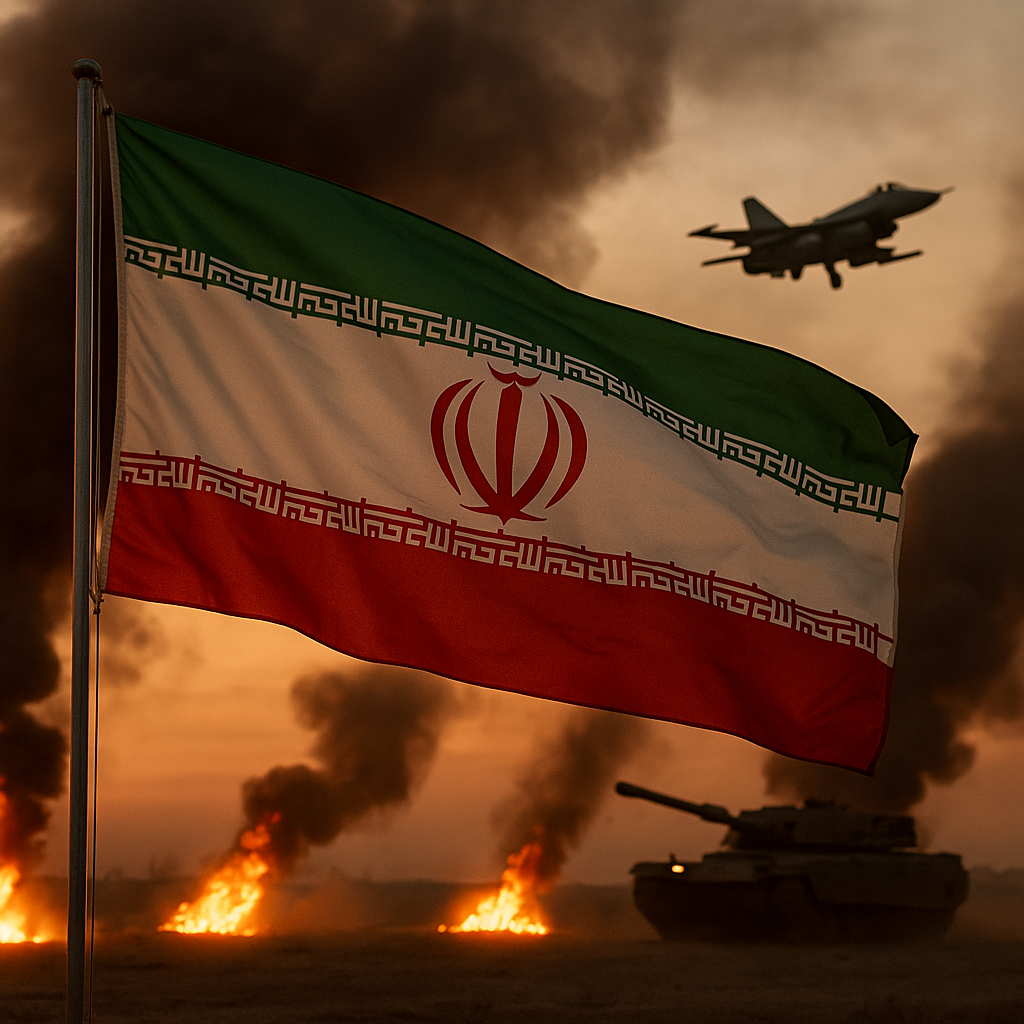
Iran stands at a critical juncture in 2025. From renewed nuclear talks and increasing tensions with the United States to internal crackdowns and geopolitical maneuvering, the Islamic Republic is once again the epicenter of major international attention. The developments over recent weeks have been intense, ranging from diplomatic stand-offs to alarming human rights violations and regional defense strategies. As Tehran reasserts itself in regional politics and nuclear ambitions, the global community watches with caution and concern.
Rising Nuclear Tensions: Tehran’s Strategic Posturing
At the heart of recent international developments lies Iran’s nuclear ambitions. In 2025, the nuclear debate has intensified. Following a prolonged stall in negotiations, Iran’s leadership issued a direct warning to the United States and its allies: any failure in the upcoming nuclear talks will not go unanswered. The Islamic Republic indicated that American military bases across the Middle East may be considered legitimate targets if diplomacy fails.
Iran’s nuclear program has continued unabated. Recent reports confirmed that Iran has now enriched uranium up to 60% purity—far beyond the limits set under the original Joint Comprehensive Plan of Action (JCPOA). While Iran claims its activities remain peaceful, international observers argue the line between energy production and weaponization is rapidly blurring.
The Iranian defense apparatus has framed these moves as essential self-defense. Iran’s Defense Minister publicly asserted that the country is fully prepared for any form of conflict, citing an “unshakable commitment to defend national sovereignty.” The rhetoric serves both as a deterrent and a negotiating tactic as Iran prepares for its sixth round of nuclear discussions with world powers.
U.S. Reaction: Evacuations and Contingency Measures
The reaction from the United States has been swift and serious. In anticipation of a potential breakdown in negotiations, the U.S. has begun evacuating non-essential embassy staff and military families from strategic locations including Baghdad, Bahrain, and Kuwait. This move is widely viewed as a preemptive safety measure to reduce American presence and potential casualties in case tensions escalate into open confrontation.
American intelligence sources have also signaled that Iranian proxies in Iraq, Lebanon, and Yemen are on high alert. This has increased pressure on U.S. defense operations across the region, prompting strategic recalibration of troop placements and military readiness.
Russia’s Diplomatic Gambit
Amid this high-stakes environment, Russia has stepped into the diplomatic arena with a surprising offer. Moscow proposed to assist in de-escalating the crisis by converting Iran’s enriched uranium into reactor fuel—a potential compromise that would preserve Iran’s civilian nuclear capabilities while preventing proliferation risks.
This offer, though not yet formally accepted, has introduced a new dynamic into the diplomatic process. With Western distrust of Iran at an all-time high, Russia’s mediation could help bridge key gaps. However, this also positions Russia as a pivotal actor in Middle Eastern affairs, further challenging the influence of Western powers in the region.
The Trump Factor
Former U.S. President Donald Trump has re-entered the Iran discourse with strong criticisms of the current administration’s approach. In recent interviews, he expressed deep skepticism about the effectiveness of negotiations with Iran, arguing that the country’s leadership is “buying time” while inching closer to a nuclear weapon.
Trump emphasized that military options must remain on the table and warned that the international community cannot afford another miscalculation. His statements have re-energized a faction of American lawmakers who believe diplomacy alone will not deter Tehran from its current path.
Domestic Crackdowns and Human Rights Violations
While global attention is focused on Iran’s foreign policy and nuclear stance, the situation inside the country is equally volatile. Iran has continued its harsh response to dissent stemming from the 2022 protests that followed the death of Mahsa Amini.
One of the most controversial developments has been the execution of Abbas Kourkouri, a protestor accused of killing security officers during the uprisings. Human rights organizations allege the trial was marred by forced confessions, lack of legal representation, and fabricated evidence. This marks the 11th known execution linked to the protests, signaling Iran’s intent to suppress internal opposition through fear and retribution.
In a separate yet equally disturbing case, Iran executed nine individuals accused of being part of the Islamic State and allegedly responsible for a 2018 terrorist attack. While the government presented this as a victory in the war on terror, international observers have questioned the legal process and transparency of the verdicts.
The Broader Political Landscape
Iran’s political landscape is undergoing subtle but significant changes. The country’s Supreme Leader remains the dominant force, but younger political figures are increasingly shaping domestic policy. The Parliament, dominated by hardliners, continues to prioritize ideological purity and resistance to Western influence. Meanwhile, moderates and reformists find themselves further sidelined.
Public sentiment is also shifting. While nationalism remains high, there is growing frustration over economic stagnation, inflation, and international isolation. The Iranian rial has continued to depreciate, and unemployment remains a major challenge. These domestic pressures may influence Tehran’s decisions in the coming months—particularly whether to escalate tensions or seek a diplomatic breakthrough.
Regional Implications
The implications of Iran’s actions are reverberating throughout the Middle East. Neighboring Gulf countries, particularly Saudi Arabia and the UAE, are watching developments closely. Both have ramped up diplomatic engagements with Western allies and are exploring regional defense collaborations to counterbalance Iran’s growing influence.
Israel has maintained its firm stance, declaring that it will not allow Iran to acquire nuclear weapons “under any circumstances.” Recent satellite imagery suggests Israel is intensifying its air defense preparations, while also deepening intelligence-sharing with Western nations.
Iraq and Syria remain vulnerable to the crossfire of Iranian-American rivalry. Iranian-backed militias in both countries have reportedly mobilized, raising concerns about potential proxy skirmishes that could spiral into wider regional conflict.
The Future of the Nuclear Talks
The sixth round of nuclear negotiations is viewed as a decisive moment. Both Iran and the United States have stated their willingness to talk, but fundamental disagreements persist. Iran demands full sanctions relief and the right to peaceful enrichment, while the U.S. seeks robust verification measures and long-term restrictions on Iran’s nuclear activities.
European powers, including France and Germany, have urged both sides to find common ground and warned that failure could result in a renewed arms race in the region. China has also urged restraint, although its role remains largely supportive of Iran due to broader strategic alignments.
With stakes so high, the outcome of the next round of talks could determine the course of Middle Eastern geopolitics for years to come. A successful agreement might ease tensions and open economic opportunities, while failure could lead to a dangerous cycle of escalation.
Conclusion
Iran’s current trajectory presents a complex, multifaceted challenge. On the one hand, the country seeks respect, sovereignty, and regional influence; on the other, it faces growing isolation, economic strain, and internal dissent. The nuclear standoff, military threats, executions, and diplomatic overtures reflect a nation at a pivotal moment in its modern history.
What unfolds next will depend on the willingness of global powers to engage constructively—and Iran’s ability to balance ambition with responsibility. As the world waits, Iran remains a geopolitical powder keg, with the potential to reshape the global order or plunge the region into further uncertainty.