Introduction
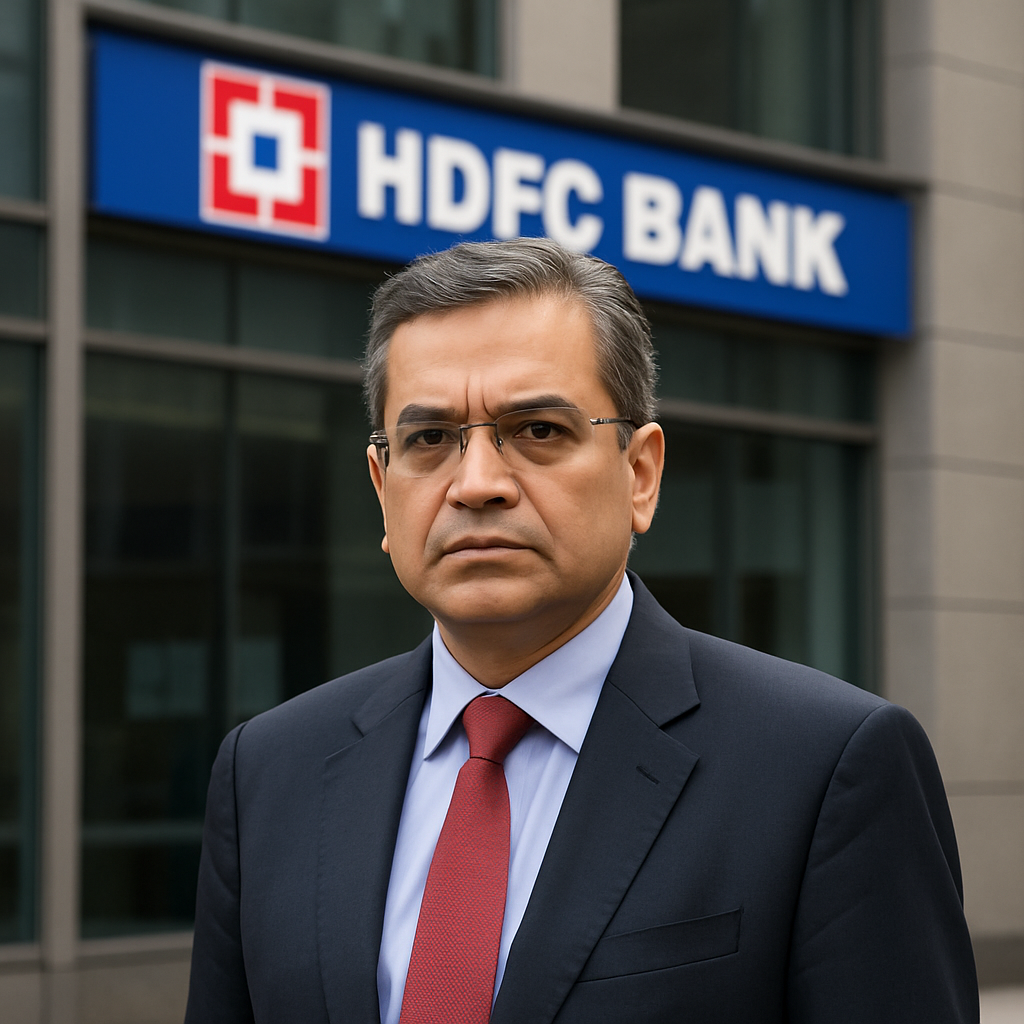
In an unexpected and potentially reputation-altering turn of events, Sashidhar Jagdishan, the CEO and MD of HDFC Bank, one of India’s most trusted financial institutions, has been named in a criminal FIR filed in Mumbai. The complaint comes from the Lilavati Kirtilal Mehta Medical Trust, alleging serious offenses including criminal breach of trust, cheating, forgery, and conspiracy.
With India’s banking ecosystem closely tied to public confidence, the inclusion of Jagdishan’s name—an executive known for a stable, understated style of leadership—has sparked national conversation. While the investigation is in its early stages, the implications of this filing could echo across financial, legal, and regulatory sectors.
Summary of Allegations
The complaint filed by a trustee of Lilavati Trust accuses Jagdishan and several others of:
-
Criminal breach of trust for allegedly misusing influence and fiduciary responsibilities.
-
Cheating in the form of concealed financial transactions.
-
Forgery and use of forged documents to interfere in the internal matters of the trust.
-
Criminal conspiracy to facilitate actions that allegedly disrupted the trust’s management structure.
Central to the case is a “confessional diary” found with a key suspect. This diary reportedly outlines payments totalling over ₹2 crore made to prominent individuals—including Jagdishan—to support a campaign that influenced trust decisions in favor of select beneficiaries.
Background: The Lilavati Trust Dispute
The Lilavati Kirtilal Mehta Medical Trust, which manages the prestigious Lilavati Hospital in Mumbai, has long been under internal dispute. Conflicts among family members and trustees over governance, finances, and future direction have been well-documented.
Over the past few years, efforts have been made by various parties to gain influence over trust operations. What began as a family feud has since evolved into a corporate and legal battle with significant ramifications.
This is not the first time the trust has been in headlines, but what makes this different is the direct connection drawn between one of India’s leading bankers and the alleged inner workings of a family-run charitable organization.
Sashidhar Jagdishan: A Banking Veteran’s Journey
Sashidhar Jagdishan, 58, took over the helm of HDFC Bank in October 2020, succeeding the legendary Aditya Puri. His journey with HDFC Bank began in 1996 when he joined as a finance manager. He was promoted to Chief Financial Officer in 2008 and eventually became the designated “Change Agent” during the major transformation phase before his appointment as CEO.
He is known for:
-
Maintaining the bank’s low-risk profile.
-
Championing digital transformation.
-
Leading the historic merger with HDFC Ltd. in 2023, a landmark event in India’s banking history.
Educated in economics and finance, Jagdishan is widely respected in both domestic and international banking circles.
The Bank’s Official Position
HDFC Bank has publicly refuted all allegations against its CEO and other employees. The bank released a strong statement asserting that the charges are:
-
Baseless
-
Malicious
-
Motivated by vested interests
They further clarified that the root of the conflict lies in loan defaults by entities linked to the Mehta family, totaling more than ₹65 crore. According to HDFC Bank, the FIR is an act of retaliation against the bank’s efforts to recover dues through legal channels.
The bank has reiterated that no illegal actions were taken by any of its employees in connection to the Lilavati Trust.
The Legal Implications
The inclusion of an active bank CEO in an FIR has serious legal implications, regardless of eventual guilt or innocence. Under Indian law:
-
Being named in an FIR allows police to investigate, summon, and question the individual.
-
If the evidence is deemed sufficient, charges can be formally filed in court.
-
Even if no wrongdoing is established, public perception and reputation can be significantly harmed.
As the case progresses, legal observers expect:
-
Detailed scrutiny of communication and financial records.
-
Potential interim petitions to quash the FIR if no direct evidence is found.
-
Involvement of high-level legal counsel to manage the case, both legally and publicly.
Market Response and Investor Confidence
While the Indian stock market reacted cautiously to the news, HDFC Bank’s stock experienced only a slight dip. Market analysts believe the fundamentals of the bank remain strong, but warn that prolonged controversy can erode investor trust.
If further developments involve regulatory intervention, temporary executive changes, or further revelations, the impact on stock price and institutional investment could be more severe.
Investors are currently in a wait-and-watch mode, assessing quarterly earnings, RBI actions, and legal movements.
Reactions in the Banking and Regulatory Space
This case has raised alarms not only in media circles but also within:
-
RBI: which monitors the governance and conduct of bank directors and top management.
-
SEBI: if any breach of listing obligations or investor information has occurred.
-
Ministry of Corporate Affairs: especially if trust funds, corporate loans, and charitable structures are involved.
Although no immediate regulatory action has been announced, such high-profile cases often prompt internal reviews and potential show-cause notices.
Public Discourse and Opinion
The case has sparked a heated debate across platforms:
-
Supporters of Jagdishan believe this is a case of targeted harassment by defaulting borrowers trying to deflect scrutiny.
-
Critics argue that any figure in public trust, especially one managing public money, should be held to the highest standards, and full transparency must be enforced.
The general public—especially HDFC account holders—are observing with a mix of concern and disbelief, given the bank’s historically strong reputation.
What Happens Next?
In the coming weeks and months, the following developments are anticipated:
-
Police and Legal Proceedings
-
Summons and possible interrogation of individuals named in the FIR.
-
Analysis of the so-called “confessional diary” for forensic validity.
-
Judicial review on whether the FIR holds prosecutable value.
-
-
Bank Governance Strategy
-
Possible internal audit of employee conduct related to Lilavati Trust transactions.
-
Enhanced media and public relations efforts to maintain customer trust.
-
Close coordination with legal counsel to defend the bank’s leadership.
-
-
Regulatory Supervision
-
RBI and SEBI could step in for independent evaluation if developments worsen.
-
Enforcement of stricter disclosure norms for bank executives and trusts.
-
Corporate Governance Concerns
This case raises larger questions for corporate India:
-
Should CEOs engage in trust or personal affairs that might create conflicts of interest?
-
Is the oversight on loans extended to charitable or family-linked entities sufficient?
-
How can India strengthen corporate governance when top executives face serious allegations?
These issues underline the importance of firewalls between personal influence and professional responsibility, particularly in institutions that manage public money.
Conclusion
The naming of HDFC Bank’s CEO in a criminal FIR has come as a jolt to the Indian financial sector. While Jagdishan’s legal fate remains to be determined, the implications for corporate ethics, financial governance, and regulatory oversight are already being deeply felt.
As investigations proceed and facts emerge, this case could either become a cautionary tale or stand as proof that high office cannot be targeted without consequence. What remains critical now is due process, institutional integrity, and transparent leadership—all of which are essential for sustaining the public’s confidence in India’s financial future.